
If you want cleaner air in your Temecula home, you have probably seen a lot of talk about whole‑home air purifiers. Some companies push filters, others push UV, and others push electronic air cleaners. It is easy to feel unsure about which option actually fits your home and your family.
In this guide from Temecula Appliance Repair, you will see how whole‑home air purifier add‑ons work in simple terms. You will learn how filters, UV systems, and electronic options differ, how they install on your existing HVAC system, and how to mix them in a way that supports your health, comfort, and energy bills across Temecula, Murrieta, Wildomar, Menifee, Lake Elsinore, Canyon Lake, Winchester, and Fallbrook. You can then pair this guide with related resources like best air filters for allergies in Southern California, what MERV rating means and why it matters, benefits of HVAC UV light systems, and how often you should clean your air ducts for a complete picture of indoor air quality in your home.
What Whole‑Home Air Purifier Add‑Ons Are
Whole‑home air purifier add‑ons are devices that your technician installs in or around your central HVAC equipment. Instead of cleaning air in one room, they treat the air that passes through your furnace or air handler and ductwork. That way, every room that shares your system gets some level of cleaner air.
These add‑ons generally fall into three main groups:
- High efficiency media filters, HEPA‑style filters, and carbon filters
- UV and UV‑plus systems that treat coils and sometimes the air stream
- Electronic air cleaners such as electrostatic and ionizing systems
You often see these technologies combined inside one cabinet. For example, a central purifier might use a high‑MERV filter plus activated carbon plus UV, or a media filter plus electronic plates. Temecula Appliance Repair looks at your equipment and your concerns and then builds a mix that your blower can handle and that matches your air quality goals.
Why Whole‑Home Air Purification Works Differently Than Room Air Purifiers
It helps to understand how whole‑home systems differ from the portable air purifiers that sit on a nightstand or floor.
A whole‑home system connects directly to your HVAC ductwork. Every time your system runs, air from your rooms passes through the filter, past any UV lamps or electronic cleaners, and then returns to your home. This cycle repeats many times a day, so treatment is steady and covers most or all rooms that share the ducts.
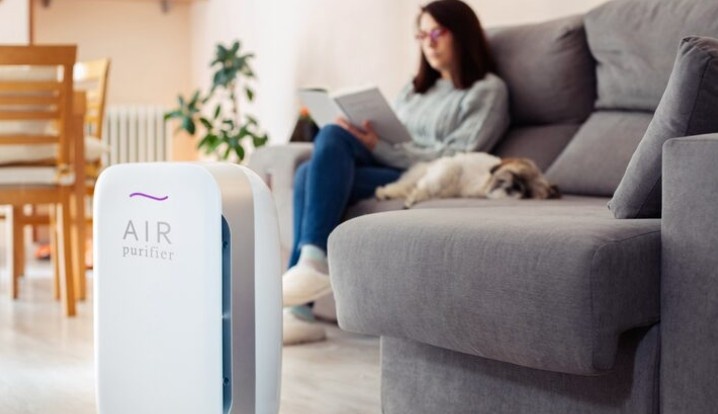
In contrast, a portable purifier only cleans air in the room where you place it. It can be very effective in that room, but it cannot cover a whole Temecula home by itself unless you buy several units and remember to run and maintain each one.
Whole‑home add‑ons give you:
- Consistent treatment of recirculated air whenever the blower runs
- Less noise and clutter than multiple floor units
- A chance to stack different technologies in one path, such as filter plus UV plus carbon
Portable units can still be useful in bedrooms or home offices. Temecula Appliance Repair explains in whole‑home air purifiers vs portable units how to decide if you need both. However, they normally start with central add‑ons because you get system‑wide benefits from one installation.
Filtration Add‑Ons: Media Filters, HEPA‑Style Filters, And Carbon
Filtration is the base layer of almost every whole‑home purification plan. You get the most value when you get this part right.
Media filters are a big upgrade over the thin one‑inch filters you find in many returns. They sit in a dedicated cabinet in your return duct and use deep, pleated material to give a large surface area. This design allows you to use higher MERV ratings, which means the filter can capture more dust, pollen, and other particles without blocking airflow too quickly.
HEPA‑style or very high‑MERV filters can approach true HEPA performance in some systems. They capture fine dust, many allergens, and some smoke particles. However, they also create more resistance to airflow. Your system needs a strong enough blower and proper duct design to use them safely. Temecula Appliance Repair uses guidance from what MERV rating means and why it matters and best air filters for allergies in Southern California to match filter levels to your equipment and sensitivities.
Carbon filters and odor media add another layer. These inserts or panels contain activated carbon that helps adsorb odors and some volatile organic compounds that particle filters and UV lights do not remove. If you cook a lot, have odor issues, or live near traffic, carbon stages can make your home smell fresher.
In short:
- Use media filters to protect your equipment and cut dust and allergens
- Consider higher MERV or HEPA‑style filters if your system supports them and allergies or asthma are strong concerns
- Add carbon if odors and fumes are a major complaint
UV Add‑Ons: Coil UV Lights And In‑Duct Air Purifiers
UV add‑ons take aim at living growth inside your HVAC system. They work differently than filters and focus on microbes.
Coil UV lights sit near your evaporator coil and drain pan. They shine UV‑C light on these damp surfaces. This light damages the DNA or RNA of mold and microbes and makes it hard for them to grow or survive. Because your coil is wet for long periods in Temecula’s AC season, it can be a prime spot for mold, slime, and musty odors. A coil UV light keeps this area cleaner and helps protect airflow.
In‑duct UV air purifiers go a step further. They place UV‑C lamps, and sometimes extra technology like photocatalytic oxidation, inside a section of duct. Air that passes by the lamp receives UV exposure. In some designs, the PCO surface reacts with light to help break down certain gases and odors.
UV has clear pros:
- It is good at targeting mold, bacteria, and some viruses on coils and inside air handlers
- It can help with musty smells that persist even after filter changes
- It runs quietly and uses modest power
However, UV has limits:
- It does not remove dust, pet hair, or smoke. You still need filters for those.
- Its effectiveness depends on lamp strength, placement, and how long air and surfaces stay in the light.
- Some UV and PCO devices can generate ozone or other byproducts if they use the wrong wavelengths or materials, so you want units that clearly state zero ozone emissions and meet current safety guidance.
Temecula Appliance Repair covers these details in their benefits of HVAC UV light systems guide and in do HVAC UV lights really work. They often recommend UV as a support for your coil and air handler after you already have good filtration and basic duct care in place.
Electronic Add‑Ons: Electronic Air Cleaners, Ionizers, And Hybrid Systems
Electronic whole‑home options use electric charge to capture particles. They can add another layer of filtration, but you need to understand how they behave.
Electronic air cleaners often sit in the duct in place of a filter rack. They charge incoming particles and then catch them on oppositely charged collector plates. You can think of them as a reusable “electronic filter.” They can capture very small particles when clean and properly powered.
Ionizers and some other electronic systems release ions into the air. These ions make particles stick together. The clumps then fall out of the air or stick to surfaces until you clean them up. Electrostatic precipitators draw charged particles onto plates with a strong electric field.
Many modern central purifiers combine techniques. You might see a media filter plus electronic plates plus carbon, all in one cabinet. These hybrid systems try to use the strengths of each technology in one pass.
Electronic systems have pros:
- Strong removal of fine particles when clean and working
- Reusable plates that you can wash instead of replacing filters
- Support for allergy control when paired with standard filtration
They also have cons:
- Collector plates need regular cleaning or they lose efficiency
- Some ionizing designs can generate ozone or other byproducts, which is a concern, especially for people with asthma or lung issues
This is why Temecula Appliance Repair checks manufacturer data and independent test results before recommending an electronic air cleaner. They focus on systems with verified low ozone output and clear maintenance instructions.
Pros And Cons Of Each Whole‑Home Purifier Add‑On Type
To make a smart decision, you need a quick way to compare your options.
Filtration and media cabinets:
- Pros
- Excellent for dust, pollen, pet dander, and general particles
- Protect your blower and coil from buildup
- No ozone or UV exposure risks
- Cons
- You must replace filters on schedule
- High‑MERV filters can strain weak systems and cause airflow or short cycling issues if they are not sized correctly
UV and UV‑plus systems:
- Pros
- Cons
- Do not catch dust or pet dander
- Bulbs need replacement every one to two years
- Wrong lamp types or designs may create unwanted byproducts
Electronic air cleaners:
- Pros
- Strong fine particle capture and good performance on smoke and small allergens when clean
- Reusable components so you may buy fewer replacement filters over time
- Cons
- Plates need frequent cleaning
- Some ionizing systems can emit ozone and need careful selection and installation
Because each option has strengths and gaps, Temecula Appliance Repair often recommends a layered approach. A common setup uses a high‑MERV media cabinet to handle particles, a coil UV light to handle mold and odors, and in some cases a carbon or electronic stage for serious odor or smoke concerns.
How To Choose The Right Whole‑Home Air Purifier Setup For Your Temecula Home
You choose the right setup by focusing on your goals and your equipment, not just on the newest product.
Start by asking:
- Are you more bothered by dust on surfaces, allergy symptoms, cooking odors, pet smells, or virus concerns?
- How old is your HVAC system and how strong is your blower?
- Have you had issues with dirty ducts, coil mold, or uneven room temperatures?
If allergies and asthma are your top concern, high‑MERV media filters or an electronic air cleaner will usually give you the biggest benefit. You can use Temecula Appliance Repair’s best air filters for allergies in Southern California to narrow down which filters make sense for your system. You may then add UV if mold is also a trigger.
If you fight musty smells or have a history of water or moisture issues, UV lights plus duct inspection and cleaning often come first. The guides on how dirty ductwork affects dust, allergies, and system efficiency and how often you should clean your air ducts explain how ducts and coils can feed those problems.
If you mainly want to protect your system and keep indoor air generally cleaner, you might start with a high‑quality media filter cabinet and a schedule based on the seasonal HVAC maintenance checklist for Southern California. You can always add UV or electronic stages later if you feel you need them.
You can also look at appliance maintenance tips to avoid costly repairs to see how indoor air quality fits into your wider home care plan.
How Temecula Appliance Repair Designs And Installs Whole‑Home Purifier Add‑Ons
You do not need to guess which combination is right. Temecula Appliance Repair has a process that builds a custom solution based on your home and your HVAC system.
First, a technician inspects your equipment and ductwork. They check your current filter size and type, look at your coil and blower for dust or microbial growth, and measure static pressure and airflow. These checks show what your system can handle and what problems may already be present.
Next, they talk with you about your goals. They ask about allergies, asthma, pets, odors, smoke, and dust. They also ask about your budget and whether your focus leans more toward health, comfort, or lower energy bills.
Then they match technology to your needs:
- They usually begin by recommending a better filter setup based on their guides to MERV ratings and allergy‑friendly filters.
- They add coil UV or in‑duct UV if you have odors or mold issues and reference their benefits of HVAC UV light systems guide.
- They discuss electronic air cleaners or hybrid systems if your equipment and goals call for very fine particle control.
When you are ready to move forward, you can schedule this work through HVAC services in Temecula, HVAC service near me, AC repair service in Southern California, or directly from the book an appliance repair technician in Southern California page.
How Whole‑Home Purifier Add‑Ons Fit Into Your Broader HVAC And Appliance Strategy
Whole‑home purifiers work best when you see them as part of your overall HVAC and appliance plan, not as a one‑time fix.
Cleaner air helps your HVAC system stay efficient and last longer. Filters protect coils and motors, UV protects coils from slime, and good ducts keep airflow strong. Temecula Appliance Repair connects these benefits to topics like SEER ratings and what they mean for your energy bill and should you repair or replace your HVAC in Temecula so you can see how air quality upgrades fit into long term planning.
Your comfort also depends on thermostat habits and duct balance. If you run your system in ways that strain it, or if some rooms never get enough air, you can still feel uncomfortable even with good filtration. That is why Temecula Appliance Repair links air purification advice with guides like common thermostat setting mistakes that waste energy and comfort, how often to change air filters and what happens if you don’t, and what causes uneven temperatures between rooms and basic balancing tips.
Finally, whole‑home purifiers sit beside other appliance care steps in your routine. You can use the daily, weekly, and yearly appliance maintenance checklist for busy families and appliance maintenance tips to avoid costly repairs to build a single, simple schedule that covers filters, UV bulbs, duct checks, and your kitchen and laundry appliances at the same time.
FAQs
Do you really need a whole‑home air purifier if you already use portable units?
You do not always need both. Whole‑home air purifiers treat air whenever your HVAC runs and reach most rooms through the ducts, while portable units only treat one space. Many Temecula homeowners use a central system for general coverage and keep a portable purifier in a bedroom or home office where they spend more time.
What is the best whole‑home air purification option for allergies?
For allergies, high‑MERV media filters or electronic air cleaners usually give the most impact, because they capture fine particles that trigger symptoms. UV can help if mold is a trigger, but it does not remove dust or pollen.
Do UV and electronic whole‑home purifiers produce ozone?
Some UV and ionizing electronic systems can create ozone or other byproducts. Many modern in‑duct purifiers are tested to show zero ozone emissions, so you should choose those and have a professional install them. Temecula Appliance Repair will guide you toward low‑ozone or ozone‑free options.
How often do you need to maintain a whole‑home purifier system?
You typically replace media and carbon filters every few months up to a year, depending on use and dust levels. UV bulbs usually need replacement every one to two years, and electronic collector plates need periodic cleaning. Your Temecula Appliance Repair technician can include these tasks in your regular maintenance visits.
Can Temecula Appliance Repair help you choose and install the right whole‑home purifier?
Yes. Temecula Appliance Repair can inspect your HVAC system, review your air quality concerns, and recommend a mix of filters, UV, and electronic options that fits your Temecula‑area home. They can then install, test, and maintain the system through their ongoing HVAC service programs.

Eric Adams
Eric is the lead repair expert at Appliance Repair Southern California. With 17+ years of experience, he has built a reputation for providing fast, reliable, and high-quality repair services across Southern California. His expertise covers a wide range of appliances, including refrigerators, ovens, dishwashers, and washing machines. Eric is committed to exceptional customer service and ensuring every repair is done right the first time. Under his leadership, Appliance Repair Southern California continues to be a trusted name in the industry.