
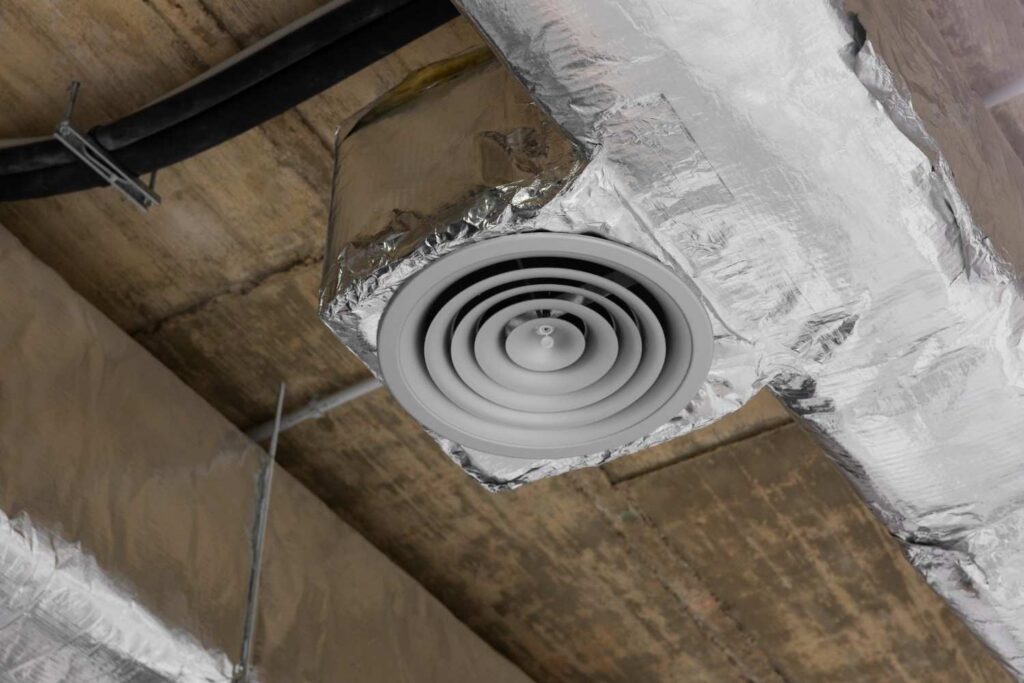
If you dust your Temecula home often and still see a film of dust on furniture, vents, and TV screens, your ductwork may be part of the problem. Dirty ducts can also make allergies feel worse and force your HVAC system to work harder than it should.
In this guide from Temecula Appliance Repair, you will see how dirty ductwork affects dust, allergies, and system efficiency in real Southern California homes. You will also learn when duct cleaning makes sense, what the science actually says, and how to combine duct care with filters, thermostat settings, and other maintenance steps that keep your HVAC system healthy.
What “Dirty Ductwork” Actually Means
Dirty ductwork is more than a little dust on a vent cover. Over years of heating and cooling, the inside of your ducts can collect:
- Regular household dust and lint
- Pet hair and dander
- Pollen and outdoor particles
- Construction dust and drywall powder
- In some cases, mold, bacteria, and other microbes
Even if you keep a clean house, everyday life creates airborne particles. Your return vents pull that air into the system many times a day. If filters are weak, missing, or rarely changed, more of that dust can settle inside the ductwork, especially in bends and joints and near supply registers.
Leaky ducts, poor filtration, and high indoor humidity make things worse. In Temecula and nearby areas, ducts often run through hot attics or dusty crawlspaces, which can add more debris and sometimes moisture that encourages microbial growth.
How Dirty Ductwork Increases Dust In Your Home
Your HVAC system constantly recycles air through the ducts. The blower pulls air from rooms, passes it through the filter and equipment, then pushes it back through supply ducts to your vents.
If the duct interior is coated with dust and fibers, that layer can behave like a reservoir. Every time the system kicks on, air moves across that buildup. Light particles can come loose and travel with the airflow into your living spaces. This is even more likely if filters are low quality or overdue for replacement.
You may notice:
- Dust collecting quickly on furniture and floors right after you clean
- Gray or dark “smudges” on ceilings or walls around vents
- Vent covers that look dirty or stained even after you wipe them
This issue is similar to what you see with other appliances that depend on airflow. For example, Temecula Appliance Repair explains in their guide on how to organize a freezer for better airflow and efficiency that blocked vents lead to warm spots and frost. In both cases, air needs a clear path to move cleanly and efficiently.
How Dirty Ducts Can Aggravate Allergies And Asthma
You might wonder if dirty ducts actually cause allergies. The Environmental Protection Agency points out that duct cleaning by itself has not been conclusively proven to prevent health problems in every home. However, ducts can still play a meaningful role in how many irritants circulate in your air.
Dust inside ducts often includes:
- Dust mites and their waste
- Pet dander
- Pollen
- Mold spores in damp systems
- Bacteria and other microbes
If you or someone in your family has allergies or asthma, these particles can trigger symptoms like:
- Sneezing and runny nose
- Itchy or watery eyes
- Coughing and throat irritation
- Chest tightness or asthma flare ups
The effect is usually stronger when:
- You have indoor pets that shed
- Someone smokes in or near the home
- There has been recent remodeling that created dust
- There are known moisture issues or mold concerns
In these situations, professional duct cleaning can help reduce irritants as part of a broader indoor air quality plan. You can pair it with steps from Temecula Appliance Repair’s guides on the best air filters for allergies in Southern California, whole‑home air purifiers vs portable units, and benefits of HVAC UV light systems if you want a more complete allergy strategy.
The Impact Of Dirty Ductwork On HVAC Efficiency And Energy Bills
Dirty ducts do not burn energy by themselves, but they change how much effort your HVAC system needs to keep you comfortable. When ducts and connected components are dirty:
- Airflow through the system drops because dust and debris increase resistance in the ducts
- Static pressure rises, which makes the blower work harder and longer
- Heat transfer at coils and key surfaces gets worse when those parts are coated with dust
Industry sources highlight some useful numbers:
- Even a thin layer of dust on heating and cooling coils can reduce efficiency by about 21 percent.
- Studies and field data show that dirty HVAC components and restricted ductwork can increase energy use by 15 to 40 percent in some systems.
For you as a homeowner in Temecula, that often shows up as:
- Higher electric or gas bills with no change in thermostat settings
- Longer run times before rooms feel comfortable
- A sense that your AC or furnace “never really shuts off” on hot or cold days
Temecula Appliance Repair covers efficiency from several angles in their articles on seasonal HVAC maintenance for Southern California, SEER ratings and what they mean for your energy bill, and should you repair or replace your HVAC in Temecula. Duct cleanliness is one important piece of that bigger picture.
Signs Your Ductwork May Be Contributing To Dust And Allergy Problems
You cannot see inside most of your ducts, but you can spot clues that suggest they are part of your dust or allergy issues.
Common signs include:
- Visible dust, dirt, or debris inside ducts when you remove a vent grille and look inside with a flashlight
- Dark streaks or rings around supply vents where air leaves marks on walls or ceilings
- Musty, stale, or “old dust” smells when the HVAC turns on, especially after the system has been off
- Allergy or asthma symptoms that get worse when you are indoors with the system running, and improve when you are outside or the system is off
- Rooms that feel dusty again shortly after cleaning, even when you change filters on time
These signs do not prove ducts are the only cause. Carpets, fabrics, cleaning habits, and outdoor conditions all matter too. However, they are strong hints that a professional should inspect your ductwork along with the rest of your HVAC system.
How Dirty Ducts Interact With Filters, Thermostat Settings, And Other HVAC Issues
Your ducts do not operate by themselves. They work with filters, equipment, and your thermostat habits. Problems in one area often make problems in another area worse.
Here is how they interact:
- Weak or overdue filters let more dust pass into the ducts where it can settle and build up.
- Very low summer setpoints or very high winter setpoints make your system run longer, which moves more air and can stir up more dust from dirty duct surfaces.
- Duct leaks in attics or crawlspaces let dusty air from those areas get pulled into your system and then blown into your home.
Temecula Appliance Repair gives you tools to address each part of this chain:
- How often to change air filters and what happens if you don’t helps you keep dust from entering ducts in the first place.
- How to choose the right thermostat settings for comfort and efficiency year‑round shows you how to set temperatures without overworking your system.
- Common thermostat setting mistakes that waste energy and comfort shows you which habits to avoid if you want better performance and lower bills.
A clean duct system works best as part of a whole‑home plan where filters, thermostat use, and equipment maintenance all support each other.
What Science And The EPA Say About Duct Cleaning
You may see strong opinions about duct cleaning. Some providers say everyone needs it every year. Others say it never helps. The truth is more balanced.
The EPA notes that:
- Routine duct cleaning is not recommended for every home as a default step.
- Studies have not clearly proven that duct cleaning alone prevents health problems in all situations.
- However, duct cleaning is recommended when there is visible mold growth inside ducts, vermin infestations, or heavy dust and debris that is actually being released into rooms.
On the other hand, industry studies and field experience show that:
- Proper duct cleaning can reduce airborne irritants and improve comfort for allergy and asthma sufferers if ducts are a real source of particles and if cleaning is part of a larger indoor air quality plan.
- Cleaning heavily dirty ducts and system components can improve airflow and help reduce energy use in systems that have significant buildup.
Temecula Appliance Repair takes this balanced view. They look at your actual ducts, your health concerns, and your system performance. They then explain whether duct cleaning makes sense for your home or whether your money will go further by upgrading filters, sealing leaks, or updating old equipment.
When Dirty Ductwork Becomes A Health Red Flag
In some cases, dirty ducts move from “maybe a concern” to a clear health warning. You should take these signs seriously and act quickly.
Red flag conditions include:
- Visible mold inside ducts or on other HVAC parts like the plenum or blower housing
- Strong musty or earthy odors that come from vents whenever the system runs
- Evidence of rodents or insects in ducts, such as droppings, nests, or gnawed insulation
- Household members with known allergies, asthma, or other respiratory issues who notice that symptoms get worse at home and improve when away
In these cases, you should arrange a professional inspection and cleaning and also address the source of moisture, entry points for pests, or other issues that caused the problem. Duct cleaning can then be part of a health plan that you build with your medical provider.
For general safety across your home systems, Temecula Appliance Repair’s home appliance safety checklist every homeowner should follow and their guide on electrical warning signs in appliances you should never ignore are useful extra resources.
How Professional Duct Inspection And Cleaning Work
If you decide to have your ductwork evaluated, you should know what a professional visit usually includes. A company like Temecula Appliance Repair will typically:
- Inspect visible duct sections, registers, and grilles for dust, leaks, and moisture.
- Use cameras or specialized tools to look deeper into duct runs where buildup often hides.
- Connect powerful vacuums and use controlled agitation tools to dislodge and remove accumulated dust and contaminants following industry standards such as NADCA guidelines where appropriate.
- Clean related components as needed, such as the blower compartment, coil housing, and plenums, since buildup there also affects efficiency.
Reputable providers will:
- Protect floors and furnishings during the process
- Avoid unnecessary chemical sprays, especially if you do not have mold problems
- Show you before and after findings so you can see what changed
If you are ready for a professional opinion, you can book an appliance repair technician in Southern California form to schedule an inspection.
Simple Habits To Reduce Dust And Protect Ductwork Between Cleanings
Even if you decide to clean your ducts, you still need simple, ongoing habits to keep dust under control and protect ductwork over time.
Helpful steps include:
- Change your HVAC filters on a schedule that fits your home, pets, and allergy needs. Higher MERV filters can catch more particles if your system supports them. Temecula Appliance Repair explains this in what MERV rating means and why it matters.
- Keep supply and return vents open and clear. Avoid blocking them with furniture or rugs and vacuum vent covers from time to time.
- Seal duct leaks and improve duct insulation in attics or crawlspaces so your system is not pulling in dusty air from those areas.
- Manage indoor humidity with proper ventilation and fast repair of water leaks to discourage mold growth.
- Schedule regular HVAC maintenance visits so a technician can check coils, blowers, and other components for dust buildup.
You can fold these steps into the daily, weekly, and yearly appliance maintenance checklist for busy families from Temecula Appliance Repair. That way you follow one simple plan for your HVAC system and the rest of your major appliances.
FAQs
Do dirty air ducts actually make allergies worse?
Dirty air ducts can circulate dust, pollen, pet dander, mold spores, and other irritants through your home whenever the HVAC runs. This can aggravate allergies and asthma, especially in sensitive people, even though duct cleaning alone is not a guaranteed cure.
Will cleaning dirty ductwork reduce dust in your home?
Duct cleaning can reduce dust that has built up inside ducts and vents, which means there is less material to blow back into rooms. You get the best results when you combine cleaning with good filters and regular housekeeping.
How do dirty ducts affect HVAC efficiency and energy bills?
When ducts are lined with dust and debris, airflow drops and static pressure increases. Your HVAC system must work harder, run longer, and use more energy, and studies show that dirty components and restricted ductwork can cut efficiency by 15 to 40 percent in some systems.
How often should you have your ducts cleaned?
There is no single schedule for every home. Many homeowners consider duct cleaning every few years or after remodeling, water damage, or pest issues, especially if they see visible debris, smell persistent odors, or have allergy and asthma concerns. Temecula Appliance Repair explains this in more detail in how often you should clean your air ducts.
Can Temecula Appliance Repair inspect and clean dirty ductwork?
Yes. Temecula Appliance Repair can inspect your ducts, HVAC system, and indoor air quality, help you decide if duct cleaning is worthwhile, and perform or coordinate the cleaning as part of their HVAC services in Temecula and HVAC service near me offerings.

Eric Adams
Eric is the lead repair expert at Appliance Repair Southern California. With 17+ years of experience, he has built a reputation for providing fast, reliable, and high-quality repair services across Southern California. His expertise covers a wide range of appliances, including refrigerators, ovens, dishwashers, and washing machines. Eric is committed to exceptional customer service and ensuring every repair is done right the first time. Under his leadership, Appliance Repair Southern California continues to be a trusted name in the industry.