
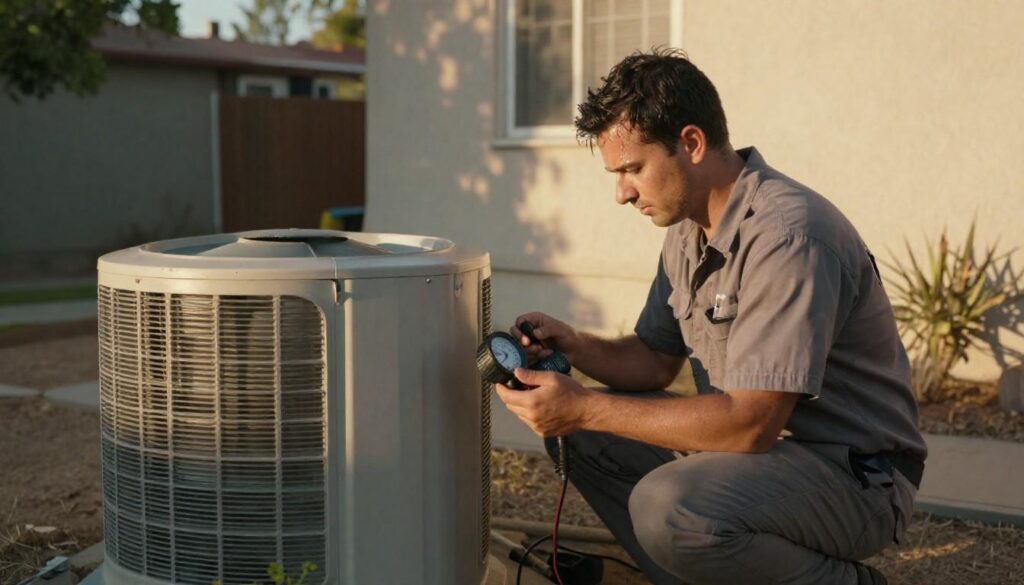
Temecula gives you sunshine most of the year, but that sunshine comes with a price tag for your equipment. Weather and seasonal temperature swings affect home appliances and HVAC performance in ways most homeowners never notice until something breaks. Your AC, your fridge, your washer, and even your dryer all feel the strain when the mercury climbs past 100°F or drops close to freezing overnight. This guide walks you through exactly how weather wears down your systems and what you can do about it before a small issue becomes a big repair bill.
Why Temecula’s Climate Is Uniquely Hard on Homes and Businesses
Temecula sees roughly 276 sunny days a year, and summer highs regularly hit 100 to 110°F. Winter nights, on the other hand, can drop close to freezing. That kind of swing puts real stress on both your appliances and your HVAC system.
Temecula’s Climate Snapshot
Your AC runs at full load for five months or more each year. That’s far more runtime than systems see in milder climates, and it shortens the lifespan of compressors, fan motors, and electrical parts.
What a Temperature Swing Actually Does to Your Equipment
A temperature swing forces metal, rubber, and plastic parts to expand and contract over and over. Over time, that repeated movement loosens fittings and cracks seals in appliances and HVAC components alike.
Who This Guide Helps
Homeowners deal with comfort, food safety, and utility bills. Business owners deal with all of that plus downtime, inventory loss, and customer experience. Both groups need the same basic weather knowledge, just applied differently.
The Science of Thermal Stress on Appliances and HVAC Systems
Before you can prevent weather damage, it helps to understand why it happens in the first place. Three mechanical processes explain most of the failures you’ll see this year.
Thermal Expansion and Contraction
Every seal, gasket, and fitting in your fridge, washer, or AC unit shifts slightly with temperature. A gasket that seals fine in October can turn brittle and warped by summer’s end, letting warm air sneak in and forcing the compressor to work overtime.
Latent Load and Humidity
When humidity climbs, your cooling appliances fight moisture and heat at the same time. That combined burden is called latent load, and research shows energy use can climb 10 to 20 percent when relative humidity rises from 40 to 60 percent. That extra strain adds up over a full Temecula summer.
Compressor Fatigue
Compressors are the hardest-working part of your fridge, freezer, and AC. Constant cycling in extreme heat wears them down faster, and compressor failure is usually the most expensive repair you’ll face.
Summer in Temecula: How Extreme Heat Impacts Your Systems
Summer is the toughest season for cooling appliances and HVAC systems across Temecula. Here’s what to watch for and why it happens.
HVAC Under Peak Load
Your AC runs longer and harder during a 100+ degree stretch, and that runtime adds up fast. Keeping your outdoor condenser unit clean and unobstructed helps it move heat efficiently instead of straining against blocked airflow.
Refrigerators and Freezers Under Heat Stress
Refrigerators typically run best between 60°F and 90°F ambient temperature. Once your kitchen or garage climbs past that range, the compressor runs almost nonstop, and refrigerators nearing the end of their lifespan often show the first signs during a heat wave.
Garage and Outdoor Refrigerators
Garages lack insulation and climate control, so temperatures inside can swing from cool mornings to well over 100°F by afternoon. If you keep a second fridge or freezer out there, check whether it’s rated for that kind of range before you count on it during peak summer.
Washers, Dryers, and Dishwashers in Summer
Hot, humid air makes dishwashers smell musty and pushes washing machines to work harder on heavier summer laundry loads. Wiping down seals and running maintenance cycles regularly keeps odors and mineral buildup from taking hold during the hottest months.
Power Surges and Grid Strain
Summer heat waves push the electrical grid hard, and brownouts can force your appliances to draw uneven power. That uneven draw damages control boards over time, so surge protection is worth the small upfront cost.
Winter in Temecula: The Overlooked Risks of Cold Nights
Winter doesn’t get nearly the attention summer does, but near-freezing nights create their own set of problems for your home.
Furnace and Heat Pump Strain
If your furnace runs constantly but your house still feels cold, something is working against it, whether that’s a sizing issue, a dirty filter, or a failing component. Catching this early keeps a minor issue from turning into a full system replacement.
Frozen or Cracked Supply Lines
Water lines feeding your washer, dishwasher, and ice maker can crack in a cold snap, especially in an unheated garage or laundry room. A cracked line often leaks slowly before it fails completely, so catch it early.
Brittle Seals After a Long Summer
Rubber seals that expanded all summer often turn brittle once the cold sets in. Checking door gaskets on your washer and fridge each fall helps you catch cracks before mold or leaks show up.
Santa Ana Winds, Dust, and Wildfire Smoke: Local Weather Challenges
Temecula’s weather brings more than temperature swings. Wind and smoke events add another layer of stress to your HVAC system.
Santa Ana Winds and Dust Buildup
Santa Ana winds push fine dust and pollen through every gap in your home, and that debris settles inside your ductwork fast. Dirty ductwork drives up dust, allergies, and energy waste, so a periodic duct check matters more here than in calmer climates.
Wildfire Smoke and Indoor Air Quality
Smoke season brings fine particles into your home through the HVAC system itself. A whole-home air purifier with the right filter setup gives you a real layer of protection when outdoor air quality drops.
Spring and Fall: The Hidden Danger Windows
Spring and fall don’t bring extreme temperatures, but the transition itself creates problems that summer and winter don’t.
Season-Changeover Contaminants
Switching from heating to cooling, or the reverse, stirs up dust and moisture that built up during the off-season. That first cycle of the season often pushes musty smells through your vents.
Spring Storms and Moisture
Spring rain raises indoor humidity, especially in basements and laundry rooms. That moisture accelerates rust on washers, dryers, and water heaters if it sits unchecked.
Fall Debris and Vent Buildup
Falling leaves and debris clog dryer vents fast, and a blocked vent is both a fire risk and an efficiency drain. Clearing it before winter takes less than 30 minutes and saves you a service call later.
The Financial Impact of Weather-Driven Wear in Temecula
Weather damage isn’t just an inconvenience. It shows up directly in your utility bills and your repair budget.
Higher Energy Bills from Heat and Humidity
As covered earlier, humidity forces your cooling equipment to work harder, and that extra effort shows up as a measurable jump on your summer electric bill.
Weather Failures Hit at the Worst Time
Systems tend to fail right when demand peaks, whether that’s the hottest week of July or the coldest night of January. That timing makes weather-related breakdowns feel worse than they might otherwise be, since everyone in town is booked solid at the same moment.
Repair vs. Replacement Decisions
Ignoring small leaks, noises, or smells almost always costs more down the road. Check out the hidden costs of ignoring small appliance problems before you decide a minor issue can wait.
Preventive Maintenance That Actually Works Here
The good news is that most weather damage is preventable with a consistent maintenance routine built around Temecula’s seasons.
Seasonal Tune-Up Schedule
Schedule your AC tune-up in spring, before the heat arrives, and your heating check in fall, before the cold nights start. This single habit keeps you off the emergency schedule during peak season.
Filters, Coils, and Thermostat Settings
Clean condenser coils and change filters on a regular schedule to keep every system running efficiently. Learn how often to change your air filters so you know exactly when it’s time for a swap.
Parts That Hold Up to Temecula’s Climate
Not every replacement part handles heat and cold the same way. Ask your technician about parts built for extreme-temperature performance, since a mismatched part often leads to a repeat repair a few months later.
2026 Technology Built for Temecula’s Climate Swings
New equipment options handle Temecula’s wide temperature range better than older systems, and 2026 brings a few worth knowing about.
Heat Pumps and Mini-Splits
Heat pumps handle both heating and cooling well in Temecula’s mild-to-moderate temperature stretches, and ductless mini-splits solve comfort problems in casitas, additions, and detached spaces that central HVAC never reaches.
Smart Thermostats and Efficiency Upgrades
A smart thermostat cuts runtime without sacrificing comfort, but only if it’s set up correctly. Avoid common thermostat mistakes that waste energy so your new equipment actually delivers the savings it promises.
How Weather Exposure Differs for Homeowners and Business Owners
Homeowners and business owners both face weather-driven equipment stress, but the stakes look different for each.
Residential Stakes
For a homeowner, a failed fridge means spoiled food and a failed AC means an uncomfortable house. Both are frustrating, but manageable with quick repair.
Commercial Stakes
For a business, a failed walk-in cooler or HVAC system means lost inventory, an uncomfortable customer experience, or a shut storefront. Commercial HVAC and refrigeration need faster response and more frequent preventive checks because the cost of downtime adds up fast.
Warning Signs You Shouldn’t Ignore
Your equipment usually gives you warning before it fails completely. Catching these signs early saves you money and stress.
HVAC Red Flags
Watch for short cycling, weak airflow from certain vents, rattling or banging noises, and uneven temperatures between rooms. Each of these points to a specific, fixable problem if you catch it early.
Appliance and Safety Red Flags
Bad smells from your vents and electrical warning signs like sparks or unusual heat both need immediate attention. If you ever suspect a gas issue, shut off the appliance and call a professional right away rather than troubleshooting it yourself.
DIY vs. Professional Repair
Some fixes are simple, but others carry real shock or fire risk. Review which appliance repairs you should never attempt yourself before you reach for a toolbox.
Building a Year-Round Maintenance Strategy for Temecula’s Climate
Weather is going to keep swinging in Temecula, but your equipment doesn’t have to keep paying the price for it. A little seasonal attention goes a long way toward avoiding breakdowns.
The Simple Version
Check seals every spring and fall, clean coils and filters on a schedule, and schedule tune-ups before peak season hits. A little consistency now saves you from an expensive surprise later.
If your AC, refrigerator, or any major appliance is already showing signs of weather stress, Appliance Repair Southern California can help you get ahead of it before the next heat wave or cold night adds more strain. Reach out to our team to schedule a checkup or ask about a repair before a small issue turns into a bigger one.
Frequently Asked Questions
How does extreme heat in Temecula affect my air conditioner’s lifespan?
Extended runtime during 100+ degree stretches puts more wear on your compressor and electrical components, which shortens the system’s overall lifespan compared to milder climates.
Why does my refrigerator work harder in the summer, and should I adjust the temperature setting?
Higher ambient heat forces the compressor to run longer to hold the same internal temperature. Don’t lower the setting further, since that just adds more strain without solving the root cause.
Can cold winter nights damage my HVAC system or appliances in Temecula?
Yes. Near-freezing nights can crack water lines, stiffen rubber seals, and stress furnace components that sat idle all summer.
Why do appliance seals and gaskets fail more often here than in milder climates?
Temecula’s wide swing between summer heat and winter cold repeatedly expands and contracts rubber and plastic parts, which speeds up cracking and wear.
Do Santa Ana winds and wildfire smoke really affect my HVAC system’s performance?
Yes. Wind-driven dust clogs filters and ductwork faster, and wildfire smoke introduces fine particles that stress both your system and your indoor air quality.
Why is my garage refrigerator or freezer struggling to keep food cold in summer?
Garages often exceed the ambient temperature range most refrigerators are built for, which forces the compressor to run nonstop without fully catching up.
What causes appliances to fail during power surges or brownouts in heat waves?
Uneven power draw during grid strain can damage control boards and electrical components, even if the appliance still turns on afterward.
How much more does heat and humidity actually add to my energy bill?
Published research shows cooling energy use can rise 10 to 20 percent as relative humidity climbs from 40 to 60 percent, which adds up over a full Temecula summer.
Is a weather-related breakdown a sign I should repair or replace my system?
It depends on the age of the unit and the repair cost. Frequent weather-related failures on an older system usually signal it’s time to consider replacement.
How can businesses prevent HVAC downtime during Temecula’s hottest days?
Regular commercial HVAC maintenance, faster response plans, and backup refrigeration checks all reduce the risk of costly downtime during peak heat.
Do heat pumps and mini-splits perform better than traditional systems through Temecula’s hot-day, cool-night swings?
Heat pumps and mini-splits handle both heating and cooling in one unit, which makes them a strong fit for a climate that swings as much as Temecula’s does.
What’s the best seasonal schedule for HVAC and appliance maintenance in Temecula?
Plan your AC tune-up in spring, your heating check in fall, and seal or gasket inspections at both transitions to stay ahead of Temecula’s weather patterns year-round.

Eric Adams
Eric is the lead repair expert at Appliance Repair Southern California. With 17+ years of experience, he has built a reputation for providing fast, reliable, and high-quality repair services across Southern California. His expertise covers a wide range of appliances, including refrigerators, ovens, dishwashers, and washing machines. Eric is committed to exceptional customer service and ensuring every repair is done right the first time. Under his leadership, Appliance Repair Southern California continues to be a trusted name in the industry.